




Introduction
Technology is continuously evolving, and the integration of the Internet of Things (IoT) with mobile applications is transforming how people interact with digital devices. From smart homes and wearable technology to healthcare monitoring and industrial automation, IoT is making everyday activities more connected, convenient, and efficient.
IoT integration allows mobile applications to communicate with internet-connected devices, collect real-time data, and perform automated actions. This makes mobile apps more intelligent, responsive, and capable of delivering personalised user experiences.
For businesses, integrating IoT into mobile applications creates opportunities to improve operational efficiency, enhance customer experiences, and develop innovative digital solutions. As demand for connected technology increases, IoT-powered mobile applications are becoming an important part of digital transformation.
What Is IoT Integration in Mobile Applications?
The Internet of Things (IoT) refers to a network of physical devices connected to the internet that collect and exchange data. These devices include smart appliances, sensors, wearable devices, vehicles, industrial equipment, and security systems.
IoT integration in mobile applications enables smartphones and tablets to communicate with these connected devices. Users can monitor device activities, control equipment, receive notifications, and access real-time information directly through mobile applications.
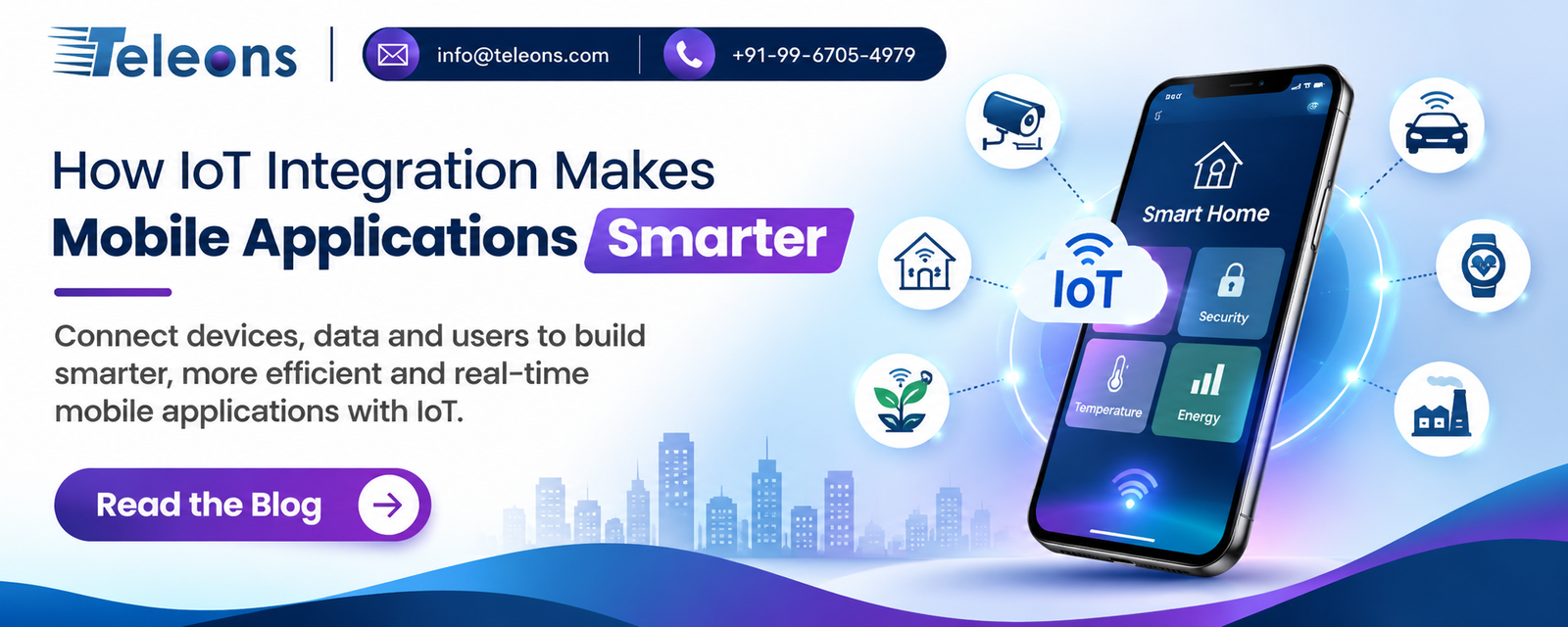
For example, a smart home application allows users to control lighting, air conditioners, security cameras, and other connected appliances remotely using their smartphones.
How IoT Integration Makes Mobile Applications Smarter
IoT technology enhances mobile application functionality by introducing intelligent features and real-time connectivity.
Real-Time Data Monitoring
IoT-enabled mobile applications collect information from connected devices and display it instantly. Users can monitor temperature, location, equipment performance, health measurements, and other important data.
This feature is particularly useful in healthcare, manufacturing, logistics, and smart home applications.
Remote Device Control
IoT integration allows users to control connected devices from anywhere through mobile applications. Whether adjusting home temperature, switching off electrical appliances, or monitoring industrial machinery, users can manage devices remotely.
Automation and Smart Actions
IoT-powered applications can automate specific activities based on predefined conditions. For example, smart lighting systems can automatically switch on when motion is detected, while smart thermostats can adjust temperatures based on user preferences.
Personalised User Experience
By analysing data collected from connected devices, mobile applications can provide personalised recommendations and services. Fitness applications, for instance, can suggest activity goals based on information collected through wearable devices.
Instant Alerts and Notifications
IoT integration enables mobile applications to send real-time notifications when specific events occur. Users can receive security alerts, equipment maintenance reminders, health notifications, and delivery updates.
Key Industries Benefiting from IoT-Integrated Mobile Applications
IoT technology is creating new opportunities across multiple industries.
Healthcare: IoT-enabled healthcare applications connect with wearable devices and medical equipment to monitor patient health conditions, track vital signs, and support remote patient monitoring.
Smart Homes: Mobile applications allow homeowners to control lighting, security systems, smart locks, cameras, and home appliances remotely.
Manufacturing: IoT-powered applications help businesses monitor machinery, track production activities, identify equipment issues, and improve operational efficiency.
Logistics and Transportation: Businesses can use IoT-enabled applications for real-time vehicle tracking, fleet management, route optimisation, and shipment monitoring.
Retail and E-commerce: IoT integration helps retailers monitor inventory, manage smart devices, improve customer experiences, and streamline store operations.
Agriculture: Smart farming applications use IoT sensors to monitor soil moisture, weather conditions, temperature, and irrigation requirements.
Important Features of IoT-Based Mobile Applications
Developing a smart IoT-enabled mobile application requires the right combination of technology and functionality.
Some important features include:
Real-time device monitoring and connectivity.
Remote access and device management.
Automated workflows and smart controls.
GPS tracking and location-based services.
Push notifications and instant alerts.
Cloud-based data storage and synchronisation.
Data analytics and performance reporting.
Secure user authentication and device communication.
These features help businesses develop applications that deliver better performance, convenience, and reliability.
Technologies Used for IoT Mobile Application Development
IoT mobile application development involves multiple technologies that work together to enable communication between devices and applications.
Bluetooth and Wi-Fi: These technologies allow mobile applications to connect with nearby IoT devices and exchange information.
MQTT: MQTT is a lightweight messaging protocol commonly used for communication between IoT devices and applications.
Cloud Computing: Cloud platforms help store, process, and manage large volumes of data generated by connected devices.
APIs: APIs enable communication between mobile applications, IoT devices, and third-party platforms.
Artificial Intelligence and Machine Learning: AI and ML can analyse IoT-generated data, identify patterns, predict potential issues, and support intelligent automation.
GPS Technology: GPS integration helps applications track vehicles, assets, people, and connected devices based on location.
Security Challenges in IoT-Integrated Mobile Applications
Although IoT integration offers several benefits, security remains an important consideration during mobile application development. Connected devices exchange sensitive information, making them potential targets for cyber threats.
Businesses should focus on implementing strong security practices, including:
Secure user authentication and authorisation.
Data encryption during transmission and storage.
Secure API integration.
Regular software and firmware updates.
Device access management.
Secure cloud infrastructure.
Continuous security monitoring.
Following these practices helps protect user information, connected devices, and application data.
The Future of IoT in Mobile Application Development
The future of mobile applications will become increasingly connected and intelligent with advancements in IoT, artificial intelligence, 5G connectivity, and cloud computing.
AI-powered IoT applications will provide better predictive analytics, intelligent automation, and personalised experiences. The growth of smart cities, connected healthcare, industrial automation, and wearable technology will further increase the demand for IoT-enabled mobile applications.
Businesses that adopt IoT technology can improve their digital capabilities, streamline operations, and develop innovative solutions that meet changing customer expectations.
Why Choose Professional IoT Mobile App Development Services?
Developing an IoT-integrated mobile application requires expertise in mobile technologies, device connectivity, cloud infrastructure, API development, and application security.
Choosing an experienced mobile app development company helps businesses build scalable, secure, and feature-rich applications. From understanding business requirements to designing, developing, testing, and maintaining applications, professional development services ensure that every component works efficiently.
Teleons Software provides mobile application development solutions focused on modern technologies and business requirements. By combining mobile app development expertise with advanced technology integration, businesses can explore smarter and more connected digital solutions.
Conclusion
IoT integration is changing the way mobile applications function by connecting smartphones with smart devices, enabling real-time monitoring, automating processes, and delivering personalised experiences. From healthcare and manufacturing to logistics and smart homes, IoT-powered mobile applications are creating new possibilities across industries.
As connected technology continues to evolve, businesses should consider IoT integration to improve efficiency, enhance customer experiences, and stay competitive in the digital landscape. Investing in professional IoT mobile application development can help businesses transform innovative ideas into practical digital solutions.
Make Your Mobile Application Smarter with IoT Integration!
Looking to develop an intelligent, connected, and feature-rich mobile application for your business?
Partner with Teleons Software for innovative mobile app development solutions. Leverage IoT technology to enable real-time connectivity, smart automation, and seamless device management.
Contact Teleons Software today and take your business towards smarter digital innovation!
Frequently Asked Questions (FAQs)
1. What is IoT integration in mobile applications?
IoT integration in mobile applications connects smartphones with internet-enabled devices, allowing users to monitor, control, and manage connected devices through mobile applications.
2. How does IoT make mobile applications smarter?
IoT makes mobile applications smarter by enabling real-time data monitoring, remote device control, automated actions, personalised recommendations, and instant notifications.
3. What are the benefits of IoT-enabled mobile applications?
The major benefits include improved automation, real-time monitoring, better operational efficiency, remote accessibility, personalised experiences, and data-driven decision-making.
4. Which industries use IoT-integrated mobile applications?
Healthcare, manufacturing, agriculture, logistics, transportation, retail, automotive, and smart home industries commonly use IoT-enabled mobile applications.
5. Which technologies are used for IoT mobile app development?
Common technologies include Bluetooth, Wi-Fi, MQTT, cloud computing, APIs, GPS, artificial intelligence, and machine learning.
6. Are IoT-based mobile applications secure?
IoT applications can be secure when developers implement data encryption, secure authentication, API protection, regular updates, and continuous security monitoring.
7. Can IoT applications work remotely?
Yes. IoT applications can allow users to monitor and control connected devices remotely through internet connectivity and cloud-based communication systems.
8. What is the future of IoT in mobile app development?
The future includes AI-powered automation, smart healthcare applications, connected vehicles, smart homes, industrial IoT, and advanced real-time data analytics.
9. Why should businesses invest in IoT mobile application development?
Businesses can improve operational efficiency, automate repetitive tasks, monitor assets, enhance customer experiences, and develop innovative connected services through IoT integration.


Related Posts
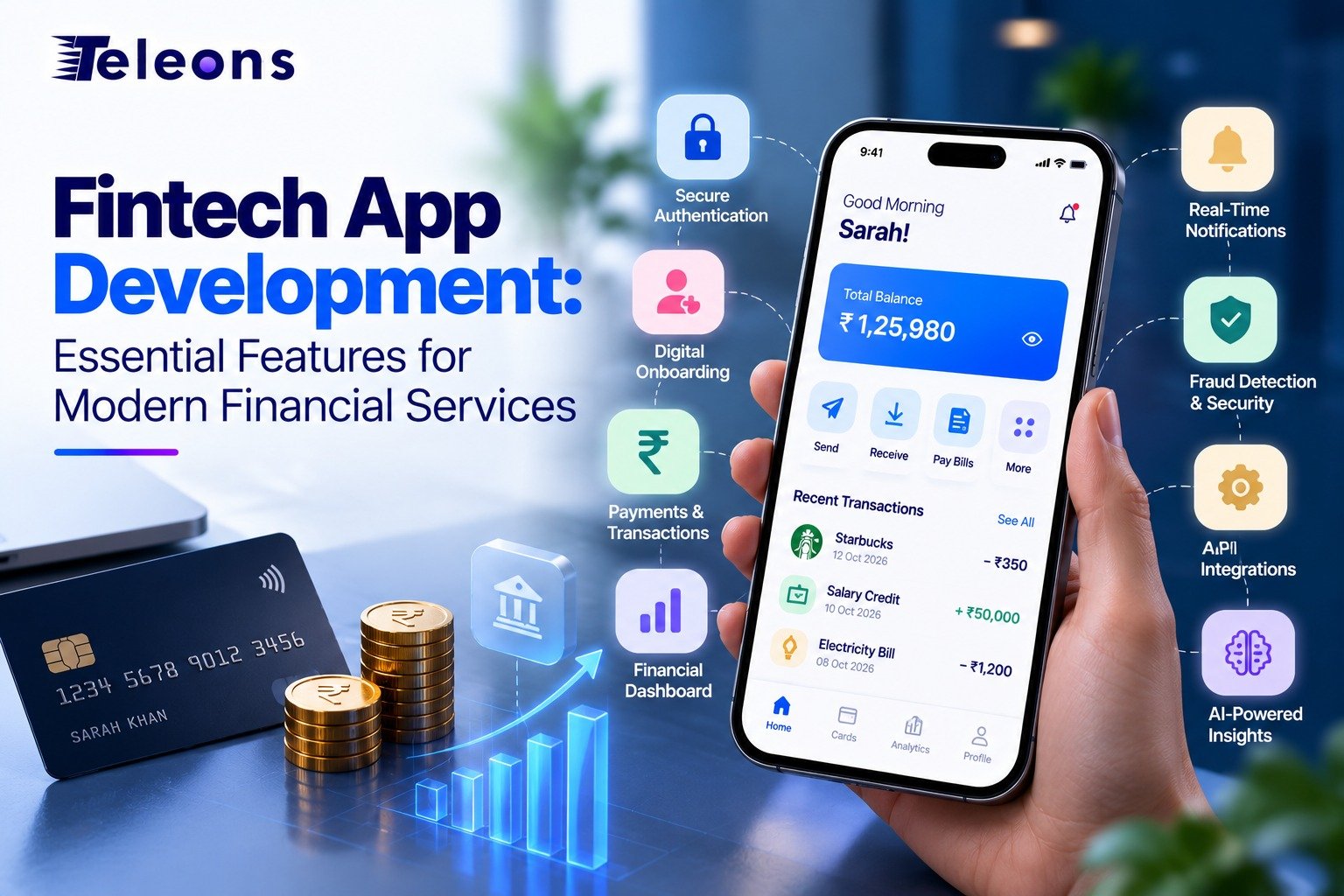
Fintech App Development: Essential Features for Modern Financial Services
Introduction The financial services industry is undergoing a major digital transformation. Customers increasingly expect to manage their money, make payments, transfer funds, access financial information,…
Read More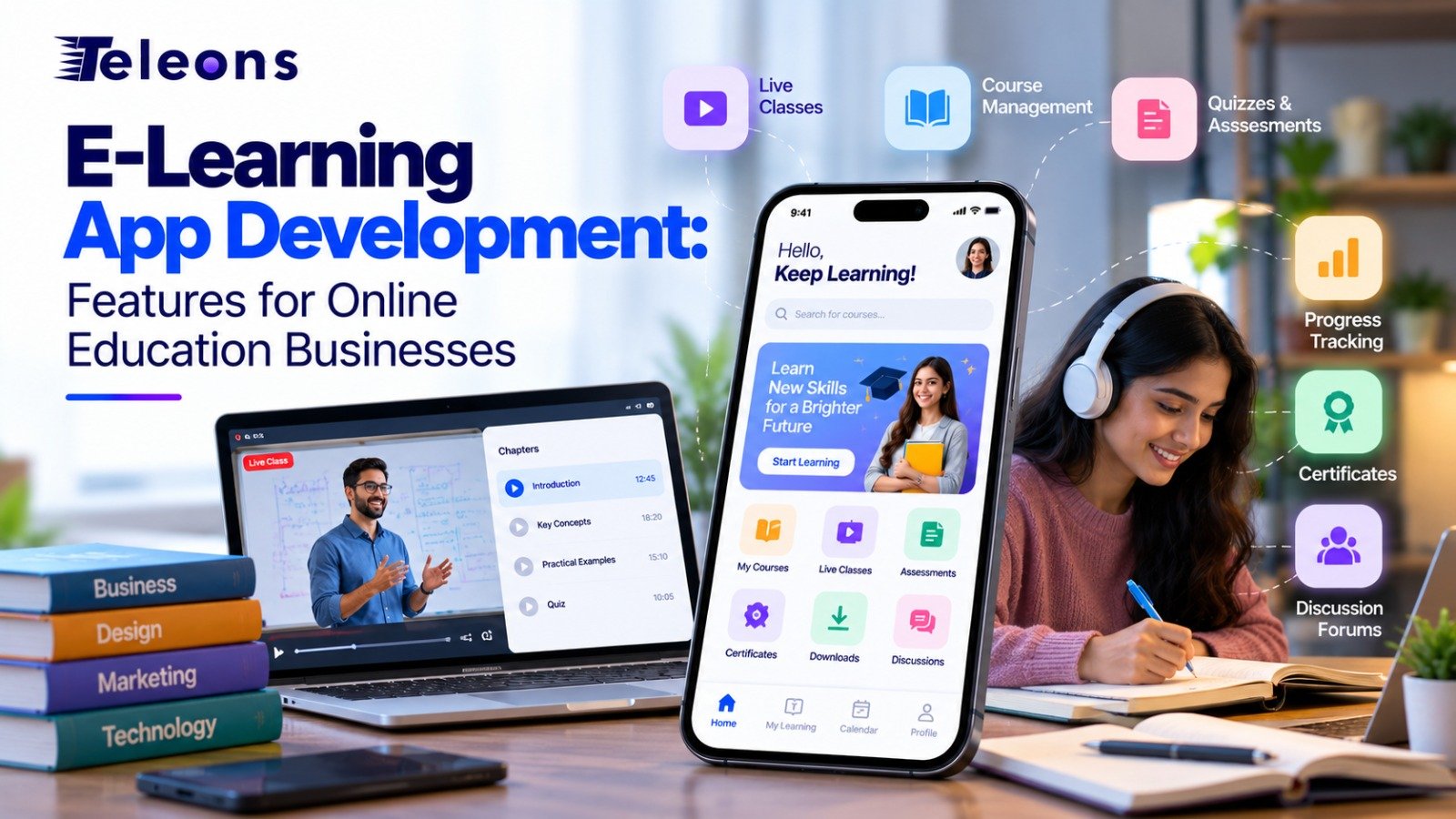
E-Learning App Development: Features for Online Education Businesses
Introduction Digital education has transformed how students learn, professionals develop new skills, and businesses deliver training. Online education platforms now allow learners to access courses,…
Read More