




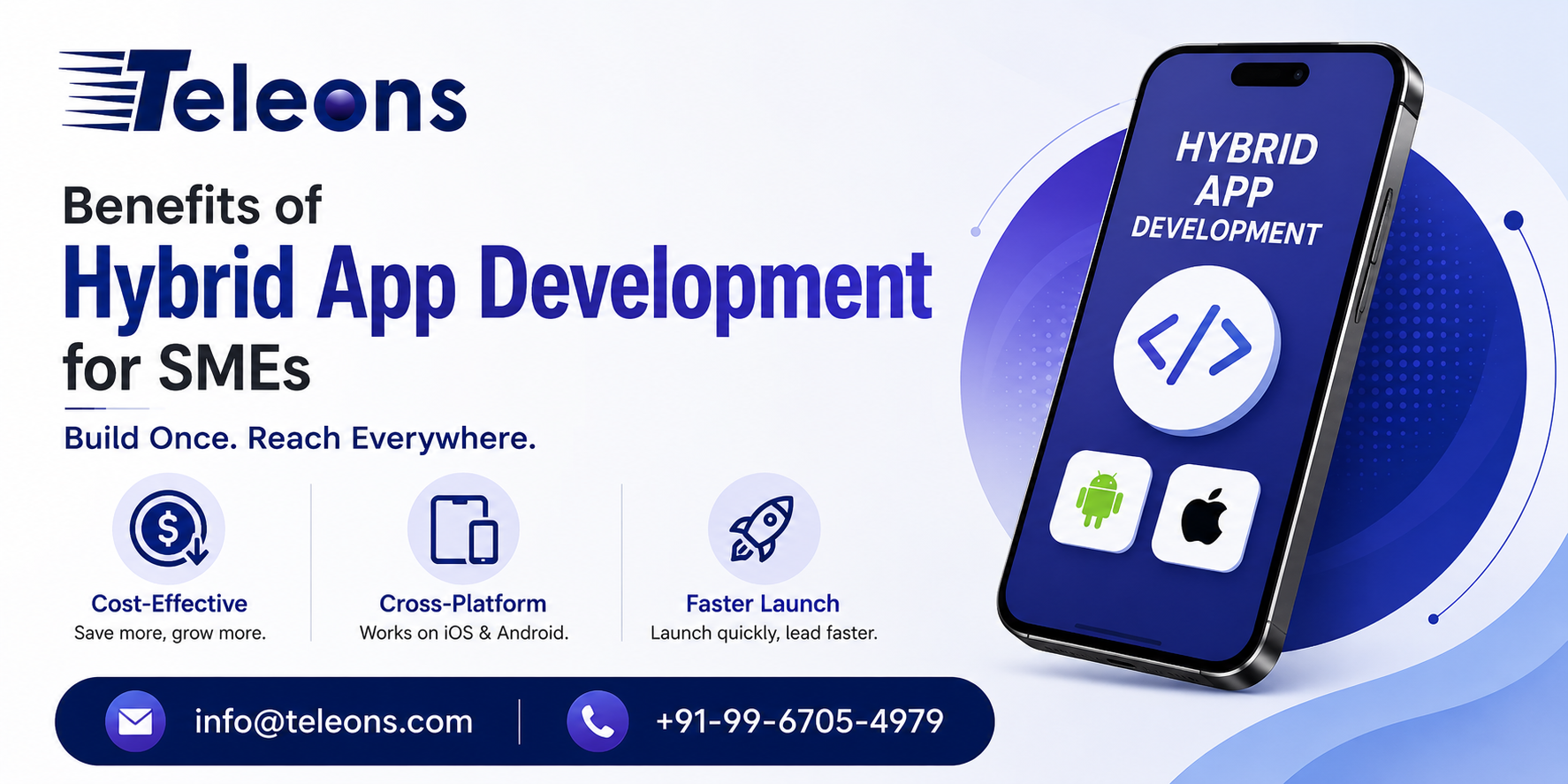
Benefits of Hybrid App Development for SMEs
In today’s competitive digital landscape, having a mobile application is no longer limited to large enterprises. Small and Medium Enterprises (SMEs) are increasingly investing in mobile apps to improve customer engagement, streamline business operations, and boost sales. However, developing separate native applications for Android and iOS can be expensive and time-consuming. This is where hybrid app development offers a practical and cost-effective solution.
Hybrid app development enables businesses to build a single application that works seamlessly across multiple platforms. Using technologies such as HTML, CSS, JavaScript, and modern frameworks, developers create one codebase that runs on both Android and iOS devices. For SMEs looking to maximize their budget while expanding their digital presence, hybrid apps are an excellent investment.
Cost-Effective Development
One of the biggest advantages of hybrid app development is reduced development cost. Instead of maintaining separate teams for Android and iOS applications, businesses can develop a single app for both platforms. This significantly lowers development, testing, and maintenance expenses while delivering a consistent user experience.
For startups and SMEs with limited budgets, this means investing wisely without compromising on quality or functionality.
Faster Time to Market
Launching a product quickly can provide a competitive advantage. Since hybrid applications share a common codebase, development takes less time compared to building two separate native apps.
A faster launch helps businesses:
Reach customers sooner
Test business ideas quickly
Gather valuable customer feedback
Stay ahead of competitors
Wider Customer Reach
Hybrid applications work across Android and iOS devices, allowing SMEs to reach a larger audience with a single application. This wider accessibility increases customer engagement and improves brand visibility without requiring multiple app development projects.
Businesses can deliver the same features and experience to users regardless of their device.
Easier Maintenance and Updates
Maintaining one codebase makes updates much simpler. New features, security improvements, and bug fixes can be implemented once and deployed across both platforms.
This reduces downtime, lowers maintenance costs, and ensures customers always have access to the latest version of the application.
Consistent User Experience
A hybrid app provides a uniform interface across different operating systems. Consistency in design, navigation, and functionality enhances user satisfaction and strengthens brand identity.
Customers appreciate apps that are intuitive, responsive, and easy to use, regardless of the device they own.
Scalability for Business Growth
As SMEs grow, their applications need to evolve. Hybrid apps can easily accommodate new features such as payment gateways, customer support, loyalty programs, analytics, push notifications, and third-party integrations.
This flexibility allows businesses to scale without rebuilding the application from scratch.
Improved Performance with Modern Frameworks
Modern hybrid frameworks have significantly improved application speed and responsiveness. Technologies like Flutter and React Native provide near-native performance, making hybrid apps suitable for eCommerce, healthcare, education, logistics, and service-based businesses.
Users benefit from smooth navigation, faster loading times, and reliable performance.
Simplified Integration
Hybrid applications can integrate with:
Payment gateways
CRM software
ERP systems
Cloud storage
GPS and location services
Social media platforms
Push notification services
These integrations help SMEs automate business operations while delivering a better customer experience.
Better Return on Investment (ROI)
Lower development costs, reduced maintenance expenses, quicker deployment, and broader market reach contribute to a higher return on investment. SMEs can focus their resources on marketing, customer acquisition, and business expansion while maintaining a high-quality mobile presence.
Why Choose Teleons for Hybrid App Development?
Teleons specializes in developing scalable, feature-rich, and user-friendly hybrid mobile applications tailored to business requirements. Our experienced developers create secure, high-performance applications that help SMEs improve customer engagement and accelerate digital transformation.
Whether you’re launching your first mobile app or modernizing an existing solution, Teleons delivers reliable hybrid app development services that support long-term business growth.
Build a High-Performance Hybrid App with Teleons in Mumbai
Looking to develop a cost-effective mobile app for your business? Teleons offers customized hybrid app development solutions that combine performance, affordability, and scalability. Our experts help SMEs create feature-rich applications for both Android and iOS using a single codebase. Contact Teleons today to transform your business idea into a powerful mobile application that drives growth and customer engagement.
Company Name: Teleons
Website: https://teleons.com/service/web-app-development/
Phone: +91-99-6705-4979
Email: info@teleons.com
Frequently Asked Questions (FAQs)
1. What is hybrid app development?
Hybrid app development involves creating a single mobile application that works on both Android and iOS using one shared codebase.
2. Why is hybrid app development suitable for SMEs?
It reduces development costs, shortens project timelines, simplifies maintenance, and allows businesses to reach more users with a single application.
3. Are hybrid apps as fast as native apps?
Modern frameworks such as Flutter and React Native provide near-native performance for most business applications, offering smooth and responsive user experiences.
4. Can hybrid apps access mobile device features?
Yes. Hybrid apps can access device features like camera, GPS, notifications, microphone, contacts, and storage through platform APIs.
5. How much does hybrid app development cost?
The cost depends on the app’s complexity, features, integrations, and design requirements. Hybrid development is generally more affordable than developing separate native apps.
6. Which industries benefit from hybrid apps?
Retail, healthcare, education, logistics, finance, real estate, hospitality, food delivery, and service-based businesses can all benefit from hybrid app development.
7. Can hybrid apps be scaled in the future?
Yes. Hybrid applications can be enhanced with new features, third-party integrations, and advanced functionalities as your business grows.
8. Why choose Teleons for hybrid app development?
Teleons delivers customized hybrid mobile solutions with modern technology, responsive design, scalable architecture, and ongoing technical support to help businesses succeed.


Related Posts
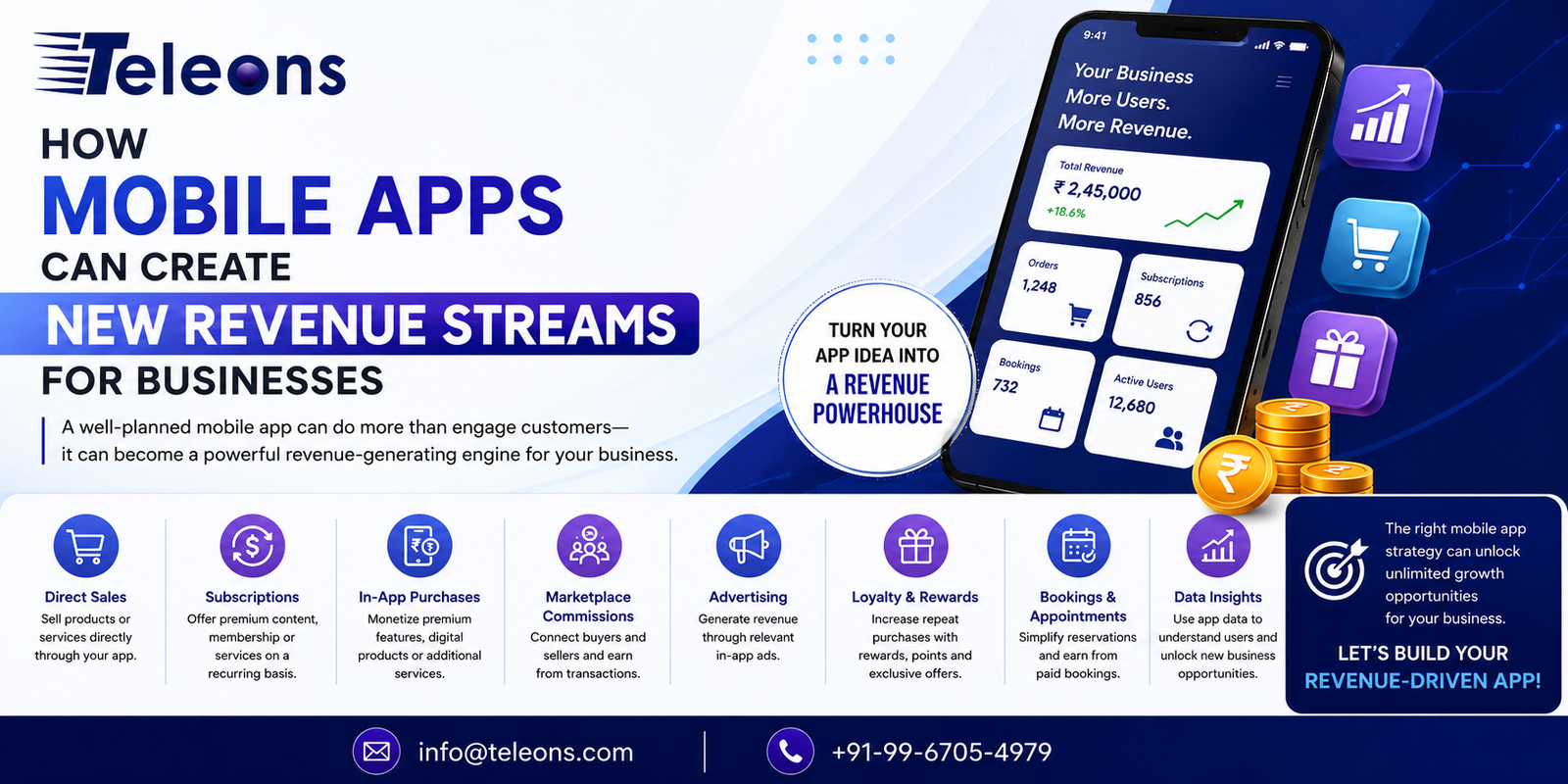
How Mobile Apps Can Create New Revenue Streams for Businesses
A mobile app is no longer just a digital extension of a business website. For many companies, it can become a new revenue-generating channel that…
Read More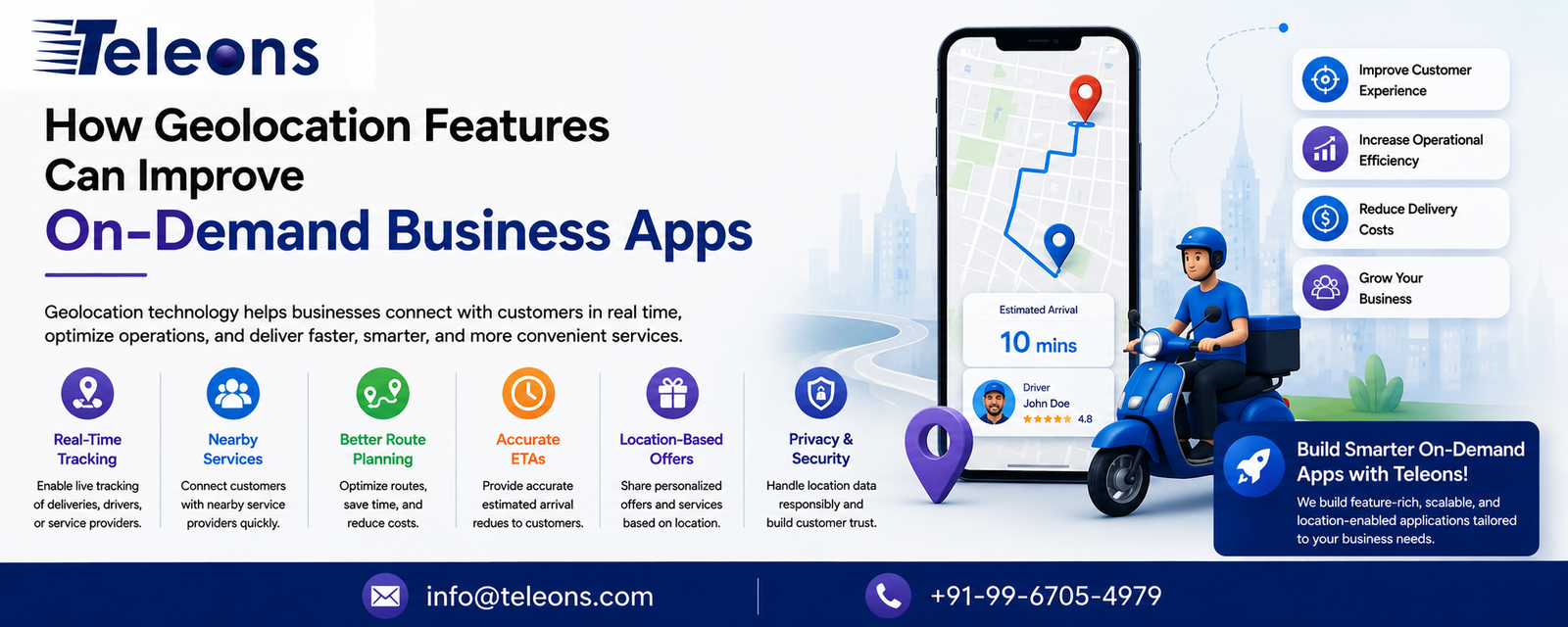
How Geolocation Features Can Improve On-Demand Business Apps
On-demand business apps are designed to provide products and services exactly when customers need them. Whether it is food delivery, transportation, home services, logistics, or…
Read More