




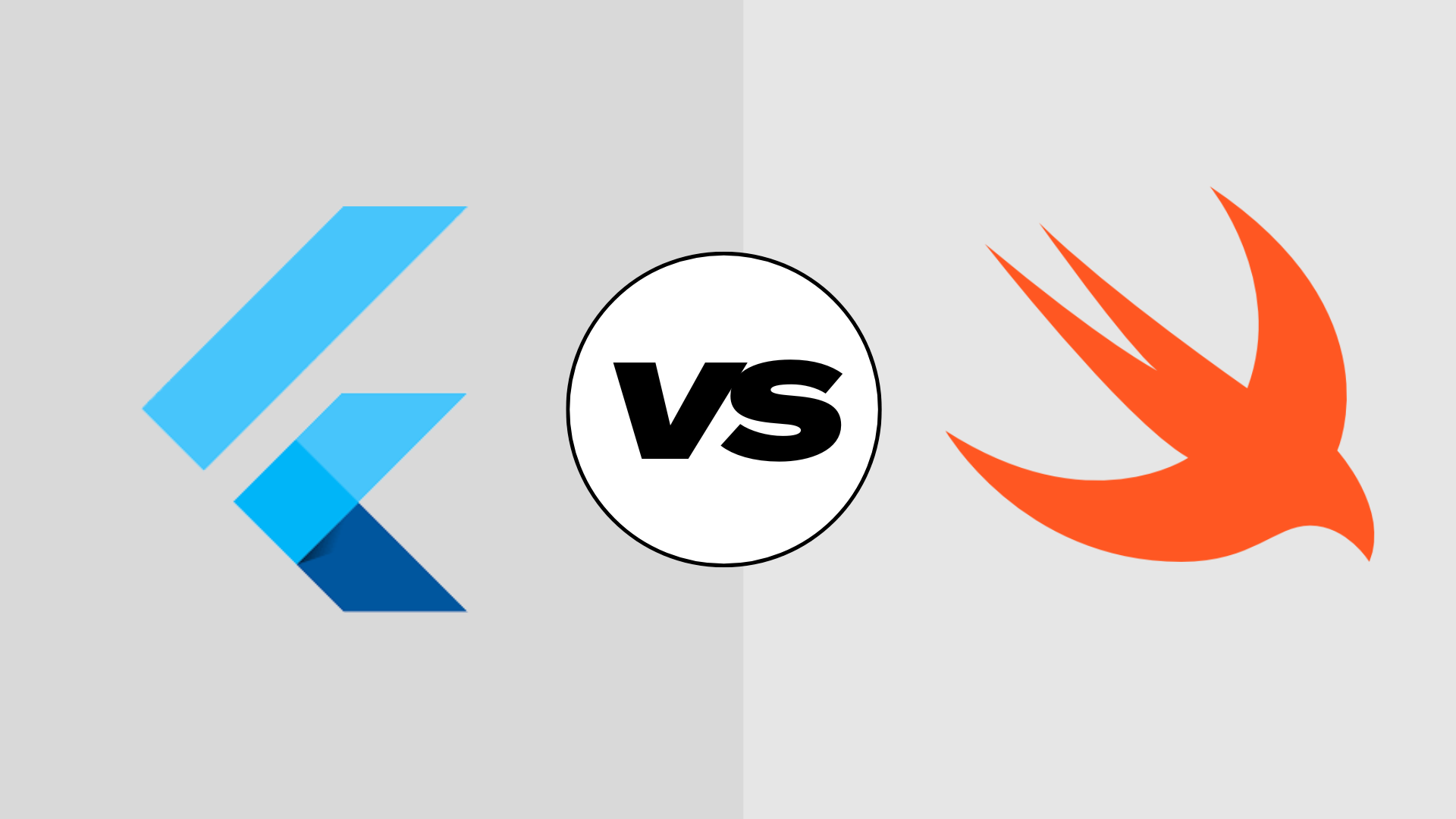
When you start planning a mobile app, one decision quietly influences everything else — the technology you choose to build it. It affects how your app performs, how quickly it launches, how much it costs, and even how users feel when they interact with it.
At Teleons Software, we often help businesses navigate this exact choice. Two technologies that come up again and again are Swift and Flutter.
Both are powerful in their own way, but they are designed with different goals in mind. Let’s break them down in a clear, practical way so you can decide what fits your app best.
Understanding the Core Difference
Swift is a native development language created by Apple. It is used to build apps specifically for iOS devices like iPhones and iPads. Because it’s built for a single ecosystem, it delivers a highly optimized and smooth experience.
Flutter, on the other hand, is a cross-platform framework developed by Google. It allows developers to create apps for both iOS and Android using one shared codebase.
In simple terms, Swift focuses on depth and performance, while Flutter focuses on speed and flexibility.
Advantages of Swift
Swift is often the preferred choice when quality and performance are top priorities. Since it is built exclusively for Apple devices, it offers a level of control and optimization that cross-platform tools may not always match.
Key Advantages of Swift:
- Delivers high performance and fast execution
- Provides a smooth and responsive user experience
- Offers full access to Apple device features like camera, GPS, Face ID, and AR
- Ensures strong security and stability backed by Apple
- Ideal for complex and feature-rich applications
- Seamless integration with the Apple ecosystem
- Long-term reliability with continuous Apple support
Advantages of Flutter
Flutter has become a popular choice for businesses that want to move quickly without compromising too much on quality. Its biggest strength lies in efficiency and cross-platform capability.
Key Advantages of Flutter:
- Single codebase for both iOS and Android apps
- Faster development cycle compared to native development
- Cost-effective solution for startups and businesses
- Rich set of customizable UI components (widgets)
- Consistent design across platforms
- “Hot reload” feature for real-time updates during development
- Suitable for rapid prototyping and MVP development
Use Cases of Swift
Swift is best suited for applications where performance, precision, and user experience are critical.
It works well for:
- High-performance apps like gaming or real-time systems
- Banking and financial apps requiring strong security
- Apps using advanced Apple features such as ARKit or Apple Pay
- Enterprise-level iOS applications
- Premium apps targeting Apple users
Use Cases of Flutter
Flutter is ideal for businesses that want to build and launch apps quickly while reaching a wider audience.
It is commonly used for:
- Startup MVPs to test business ideas
- E-commerce and service-based applications
- On-demand apps like delivery or booking platforms
- Apps with tight budgets and deadlines
- Projects requiring uniform design across platforms
Flutter helps businesses reduce development effort while still delivering a good user experience.
Swift vs Flutter: A Practical Comparison
From a real-world perspective, the choice depends on what matters most to your business.
If you want top-level performance and a premium iOS experience, Swift is the better option.
If your focus is faster launch, lower cost, and wider reach, Flutter is the smarter choice.
At Teleons Software, we’ve worked on projects using both technologies. Some clients prioritize quality and go with Swift, while others need speed and scalability, making Flutter the right fit.
There is no one-size-fits-all answer — only what aligns best with your goals.
Final Thoughts
Swift and Flutter are not competitors in the traditional sense — they are solutions for different needs.
Swift offers performance, stability, and deep integration within the Apple ecosystem.
Flutter provides flexibility, efficiency, and cross-platform reach.
The right choice depends on your app’s purpose, audience, and long-term vision.
At Teleons Software, we focus on understanding your requirements first and then recommending the technology that supports your growth — not just today, but in the future as well.


Related Posts
How Mobile Apps Help Businesses Improve Customer Engagement
Introduction Customer engagement has become a critical factor in building a successful business. Customers today expect brands to be accessible, responsive, personalized, and convenient across…
Read More
How AI Is Changing Mobile App Development in 2026
Artificial Intelligence (AI) has fundamentally changed how mobile applications are designed, architected, tested, deployed, and scaled. What once required hundreds of hours of manual engineering…
Read More